

Indonesia’s vast geography and cultural diversity pose long-standing challenges to the centralized governance systems. Following the collapse of the New Order regime in 1998, the country embarked on an ambitious decentralization campaign, transferring authority and resources from the central government to local governments through Laws No. 22 and 25 of 1999. Despite the progress made, recent trends suggest a drift back toward recentralization and inefficiencies in subnational governance. This article investigates how Indonesia should move forward with a deeper and more coherent decentralization policy, drawing insights from the ideas of key early independence-era thinkers, as well as the reform era. Using a qualitative historical-interpretive approach, the study analyzes political writings, speeches, and conceptual contributions of late figures, framed alongside policy and governance developments in post-Reformasi Indonesia. The findings reveal that decentralization was not merely an administrative concern but a philosophical and moral imperative for these thinkers. Hatta promoted village autonomy; Sjahrir advocated democratic pluralism; Malaka emphasized grassroots empowerment, while the reformists underscored decentralization as a pillar of democratic resilience. The study concludes that Indonesia’s decentralization project must go beyond partial devolution. It should embody the ethical and participatory principles rooted in the country’s intellectual tradition that work towards strengthening local democracy, fiscal independence, regional capability, and innovation. Reviving these foundational visions is vital to ensuring that decentralization serves not just efficiency, but also the quality of justice, inclusivity, prosperity, and national diversity.
Category: Articles
-
Re-Viewing Sumitro’s Policy and Industrial Maturity: Powering Downstream and Manufacturing Industries for Economic Growth and Sustainable Society
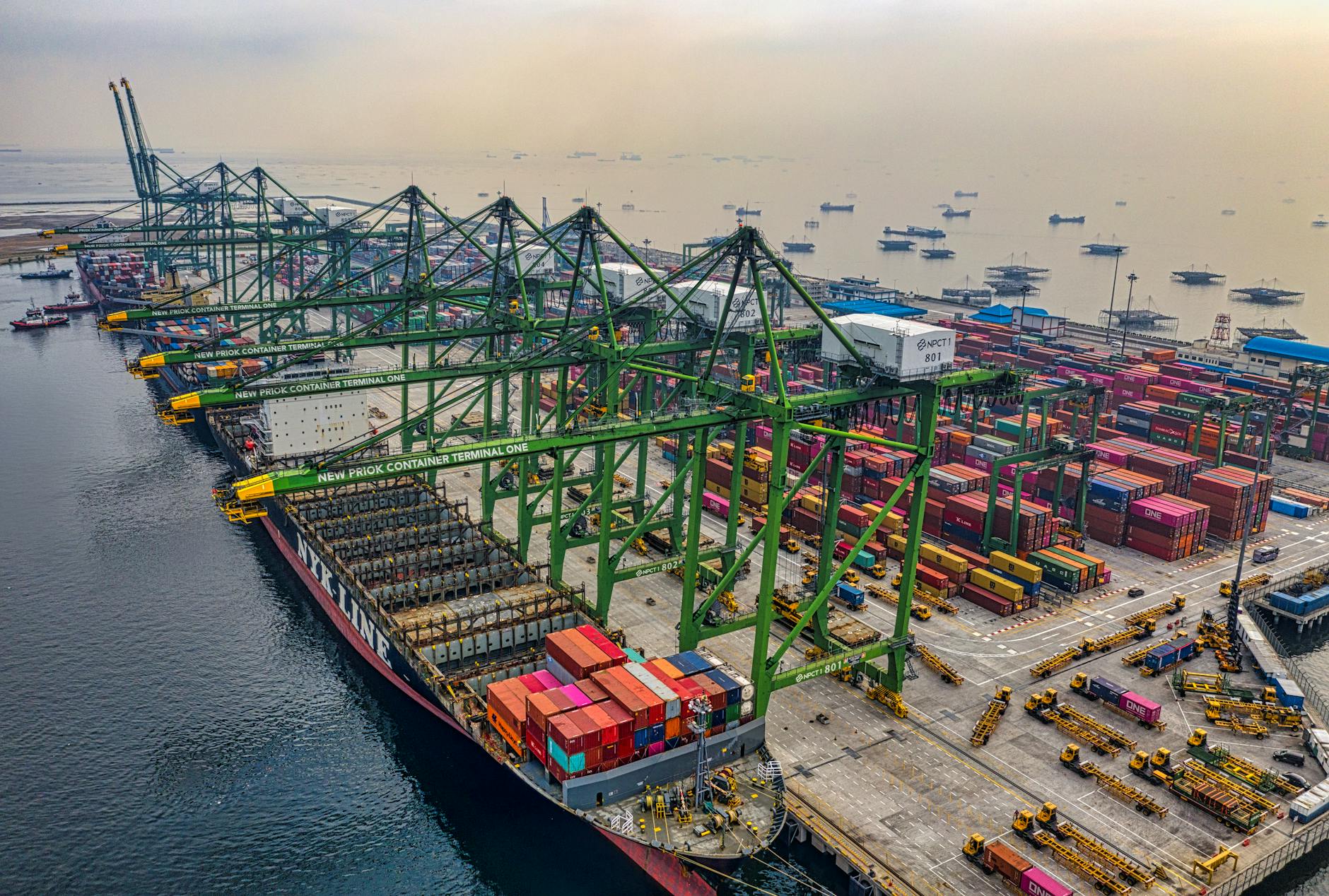
During the 1950s, Sumitro Djojohadikusumo contributed in a significant manner to the construction of the economy of Indonesia, along with other figures, namely Mohammad Hatta, Sjafruddin Prawiranegara, and Djuanda Kartawidjaja. During this period, Sumitro promoted policies to drive industrialization in Indonesia and self-reliance to transform Indonesia from a colonial economy into a developing nation. Soemitro Djojohadikusumo’s economic policies were pivotal in shaping Indonesia’s post-colonial economy; focusing on production and industrial sovereignty, he emphasized reducing dependency on imports by fostering domestic industries, especially strategic sectors like heavy industry and natural resource processing, which he saw as crucial to national sovereignty. Soemitro also promoted stimulating economic activities through both public investment and private sector engagement, aiming to diversify the economy and drive sustained growth. Many of the challenges Soemitro addressed, such as infrastructural gaps and weak technological readiness, which remain relevant today. This research analyzes to what extent the economic policy shaped by Sumitro impacts Indonesia’s development. This analysis has significance in understanding Indonesia’s contemporary economic planning and trends, particularly in terms of economic policy shaped by the newly elected President of Indonesia, Prabowo Subianto. Analysis of Sumitro’s policy is conducted through the lenses of the industrial maturity concept, which is relevant to growth theory, resource-based view, and development economics. Indonesia’s pursuit of industrial maturity is crucial for transforming its raw resource-based economy into one that competes globally by adding value to domestic production. The need to revitalize manufacturing and strengthen downstream industries is critical for boosting competitiveness and integrating circular economic principles that emphasize sustainability. Soemitro’s vision of empowering society aligns with modern approaches to creating a more inclusive economy. However, infrastructure bottlenecks, a lagging education system, and regulatory complexities continue to slow the progress. Addressing supply chain challenges through regional industrial clustering and focusing on efficiency will be vital for overcoming these barriers. Further empirical research is needed to explore how infrastructure, education reform, and regulatory simplification can enhance Indonesia’s industrial maturity and sustainable economic development.
-

Gus Dur’s Interreligious Equality in the Context of Plural Indonesian Society
In the plural Indonesian society, where there are Muslim, Protestant, Catholic, Budha, Hindu, Konghucu, and Penghayat, interreligious harmony is something that cannot be ignored. In this case, the majoritarianism tyranny is an intolerant source that can crack harmony in religious diversity. This article gives a concept of Gus Dur’s teaching about the principle of interreligious equality. Any main questions have been exposed in this article; How is Gus Dur’s partiality toward the non-Muslim minority? How does Islam, which Gus Dur taught, regard other religious people? And why is Gus Dur’s teaching important in the religious context of plural Indonesian society? To answer the questions, to expose Gus Dur’s teaching in this article, the author explored various of Gus Dur’s writings. In this way, the author used the method of library research. According to some findings in this article, diversity for Gus Dur was not only an idea but also a part of his struggle for humanity. Gus Dur always protected humanity without seeing religious status. Gus Dur’s partiality to the non-Muslim minority was strengthened by his belief that all humans, whatever their religions, are brothers and all are equal. Gus Dur taught the principle of interreligious equality.
-

Exploration of the Reading of Surah Mu’awwidzatain at the Ashabul Yamin Lasi Tuo Pondok Pesantren: A Study of the Living Quran in the Context of Spiritual Development of Santri
This research focuses on the practice of articulating the al-Falaq and an-Naas at Pondok Pesantren Ashhabul Yamin Lasi Tuo, which has become an essential part of the santri spiritual lives. The research employs a descriptive qualitative approach, collecting data through direct observation, in-depth interviews with the santri and the managers of the wirid activities, and related documentation. Key informants in this study provide insights into how these surahs are integrated into daily routines and how this practice is embraced and understood by the madrasah community. The findings of this research reveal that the articulation of the mu’awwidzatain surahs at Pondok Pesantren Ashhabul Yamin has a significant impact on the spiritual development of the santri. This practice not only offers protection from external disturbances but also serves as a tool for developing inner strength, peace of mind, and discipline in daily life. Santri engaged in this practice shows improvements in focus, tranquillity, and determination, all of which are the results of deep reflection on the teachings of these surahs. However, this study also identifies some challenges in the implementation of this tradition, particularly in maintaining its consistency and relevance amid social and environmental changes. The implications of these findings underscore the importance of understanding the role of religious rituals in shaping the spiritual identity of santri in madrasah. Traditions such as the articulation of the mu’awwidzatain surahs should not only be seen as part of the religious curriculum but also as a vital means of instilling deep moral and spiritual values. Therefore, it is crucial to preserve and develop this tradition while adapting it to the dynamics and challenges faced in the modern era.
-

Waqf Business Model (WBM): Towards A Sustainable Social Business Model on The Mainstream Economics
The Waqf Business Model (WBM) represents an innovative and transformative approach to establishing a sustainable social business model within mainstream economics, rooted in Islamic economic principles. This paper explores the current state of waqf as an alternative model for social business, emphasizing its ability to combine social impact with long-term economic sustainability by preserving assets and generating ongoing revenue. It also advocates for integrating WBM into the mainstream economy to serve as a powerful mechanism for addressing the Sustainable Development Goals (SDGs). The paper highlights the challenges faced by traditional Islamic economic institutions, particularly waqf, which have struggled due to outdated management practices and a conceptual crisis regarding the role of waqf in modern economies. Revitalizing waqf institutions requires enhancing their capabilities and aligning them with contemporary business strategies. Additionally, this paper encourages future research to explore how WBM can be fully integrated into the existing economic ecosystem. In theory, WBM provides a framework for ethical and inclusive economies, while in practice, it has the potential to create self-sustaining institutions that reduce reliance on external aid, offering an innovative solution to global socio-economic challenges by blending sustainable innovation.
-

Analysis of Islamic Law in the Context of Lethal Injection for Terminated Patients in Indonesia
This study delves into the examination of Islamic law within the framework of lethal injection for terminally ill patients in Indonesia. The research focuses on the ethical and legal dimensions surrounding the use of lethal injection as a method of administering end-of-life care for individuals facing terminal illnesses. Employing a comprehensive analysis of Islamic legal literature and scrutiny of Indonesia’s legal provisions pertaining to the termination of patients, the study seeks to ascertain the compatibility of lethal injection with Islamic principles. The research adopts a comparative legal analysis approach, comparing the tenets of Islamic law with Indonesia’s existing legal framework concerning end-of-life decisions. By exploring the perspectives of prominent Islamic scholars and jurists, the study aims to provide insights into the multifaceted nature of the debate surrounding lethal injection within the context of Islamic law. The findings of this analysis will contribute to the ongoing discourse on ethical considerations and religious perspectives regarding end-of-life care, with implications for Indonesia’s healthcare policies and legal regulations in the realm of terminal patient care.
-

Civic Education as Strategies to Strengthen the National Identity of Indonesian Students
This study explores comprehensive strategies to strengthen national identity among Indonesian students, addressing the crucial need for a cohesive national identity in Indonesia’s ethnically and culturally diverse society. The research identifies and analyzes several key approaches, including curriculum development, extracurricular activities, cultural immersion programs, and the use of digital media, to foster a strong sense of national pride and unity. The integration of national history, civic education, and values into the school curriculum is highlighted as fundamental. By ensuring that students receive a thorough understanding of Indonesia’s heritage, struggles for independence, and national achievements, educational institutions can instil a deep sense of belonging and responsibility towards the nation. Extracurricular activities, such as student organizations, sports, arts, and community service projects, are also emphasized for their role in providing experiential learning opportunities that reinforce national values and social cohesion. Cultural immersion programs are identified as another critical strategy. These programs, which include traditional arts, music, dance, and language preservation initiatives, allow students to engage with Indonesia’s rich cultural tapestry, fostering appreciation and respect for the nation’s diversity. Furthermore, the strategic use of digital media is examined as a modern approach to connecting students across different regions and promoting national narratives. Digital platforms can disseminate stories of national heroes, cultural heritage, and contemporary achievements, thereby enhancing students’ collective national consciousness. The study underscores the importance of a multifaceted approach involving educational institutions, government policies, and community participation. It recommends that policymakers and educators collaborate to implement these strategies effectively, creating an environment that nurtures a strong, cohesive national identity among Indonesian youth. By doing so, the nation can build a resilient and unified future generation capable of contributing positively to Indonesia’s development and stability.
-

Politics of Islamic Law in Indonesia During the Reformasi Era
This study examines the politics of Islamic law in Indonesia during the Reformasi era, specifically during the administrations of Presidents B.J. Habibie, Abdurrahman Wahid (Gus Dur), and Megawati Soekarnoputri. This research employs a qualitative approach. The Reformasi era, which began after the fall of the Orde Baru regime in 1998, was marked by significant changes in Indonesia’s legal and political systems. During Habibie’s administration, political liberalization and efforts to strengthen the rule of law, including in the context of Islamic law, occurred. Gus Dur’s era was characterized by more inclusive and pluralistic policies, as well as efforts to strengthen the position of Muslims in the national political and legal systems. Meanwhile, Megawati’s administration focused on political and economic stability with a pragmatic approach to Islamic law. This study uses a descriptive-analytical method to understand the dynamics and shifts in Islamic law policies during these three administrations. The results indicate that the politics of Islamic law in Indonesia during the Reformasi era were significantly influenced by the political and social contexts of each administration, as well as the diverse aspirations of the Muslim community.
-

The Effectiveness of Fiqh Learning on Students’ Worship Practices at Madrasah Tsanawiyah
This study aims to thoroughly investigate the effectiveness of fiqh learning on students’ worship practices at MTsN 2 Agam. With the continuous growth in religious education, a strong understanding of Islamic teachings becomes increasingly important for students in educational institutions like MTsN 2 Agam. Fiqh, as a branchq of Islamic knowledge that studies practical laws and rules of worship, forms the core of the religious curriculum in this school. This study will explore the extent to which fiqh learning in fiqh classes at MTsN 2 Agam influences students’ understanding of worship practices such as prayer, fasting, and almsgiving. Emphasis will be placed on the practical guidance imparted in fiqh learning, which includes correct techniques and procedures in performing these rituals. Additionally, the study will observe how a strong understanding of religious principles, taught through fiqh learning, impacts students’ daily lives outside the school environment. Through careful data collection and analysis, this research aims to provide a better understanding of how fiqh learning at MTsN 2 Agam influences students’ worship practices. The findings of this research are expected to provide valuable insights for the development of religious curricula in similar educational institutions and also shed light on the importance of fiqh education in shaping individuals who are obedient to religious teachings and reflect high moral values and ethics in their interactions with others.
-

Strategi Pendidikan Inovatif Untuk Keterampilan Global Dalam Konteks Generasi Emas 2045
Penelitian ini bertujuan untuk mendalami strategi pendidikan inovatif yang diperlukan guna memperkuat keterampilan global pada generasi emas 2045. Melalui analisis yang mendalam terhadap dinamika kompleksitas sosial, teknologi, dan ekonomi global, artikel ini mengidentifikasi tantangan substansial yang dihadapi dalam persiapan generasi mendatang menghadapi dunia yang terus berubah dengan cepat. Dalam konteks ini, penelitian ini menyoroti urgensi untuk melakukan transformasi mendalam dalam sistem pendidikan guna mengintegrasikan keterampilan yang esensial dan relevan dengan kebutuhan dunia yang semakin terhubung dan terdiversifikasi. Penelitian ini mengusulkan bahwa pendekatan inovatif, seperti pembelajaran berbasis proyek, penggunaan teknologi canggih, dan peningkatan kolaborasi antar-sektor, menjadi kunci untuk mengatasi tantangan tersebut. Melalui integrasi teknologi yang tepat, peluang baru terbuka untuk memfasilitasi pembelajaran yang lebih adaptif dan responsif terhadap kebutuhan individu siswa. Selain itu, kerjasama yang erat antara pendidikan formal, industri, dan lembaga masyarakat dapat memberikan pengalaman pembelajaran yang lebih kontekstual dan relevan. Dengan menawarkan solusi-solusi konkret, penelitian ini tidak hanya memberikan wawasan mendalam tentang kompleksitas tantangan yang dihadapi dalam pendidikan, tetapi juga mengilustrasikan potensi transformatif dari pendidikan inovatif dalam membentuk masa depan pendidikan yang inklusif, dinamis, dan berdaya saing tinggi. Oleh karena itu, penelitian ini tidak hanya relevan bagi para akademisi dan praktisi pendidikan, tetapi juga bagi pembuat kebijakan, pemangku kepentingan industri, dan masyarakat secara luas yang peduli terhadap pembangunan masa depan yang berkelanjutan dan inklusif.